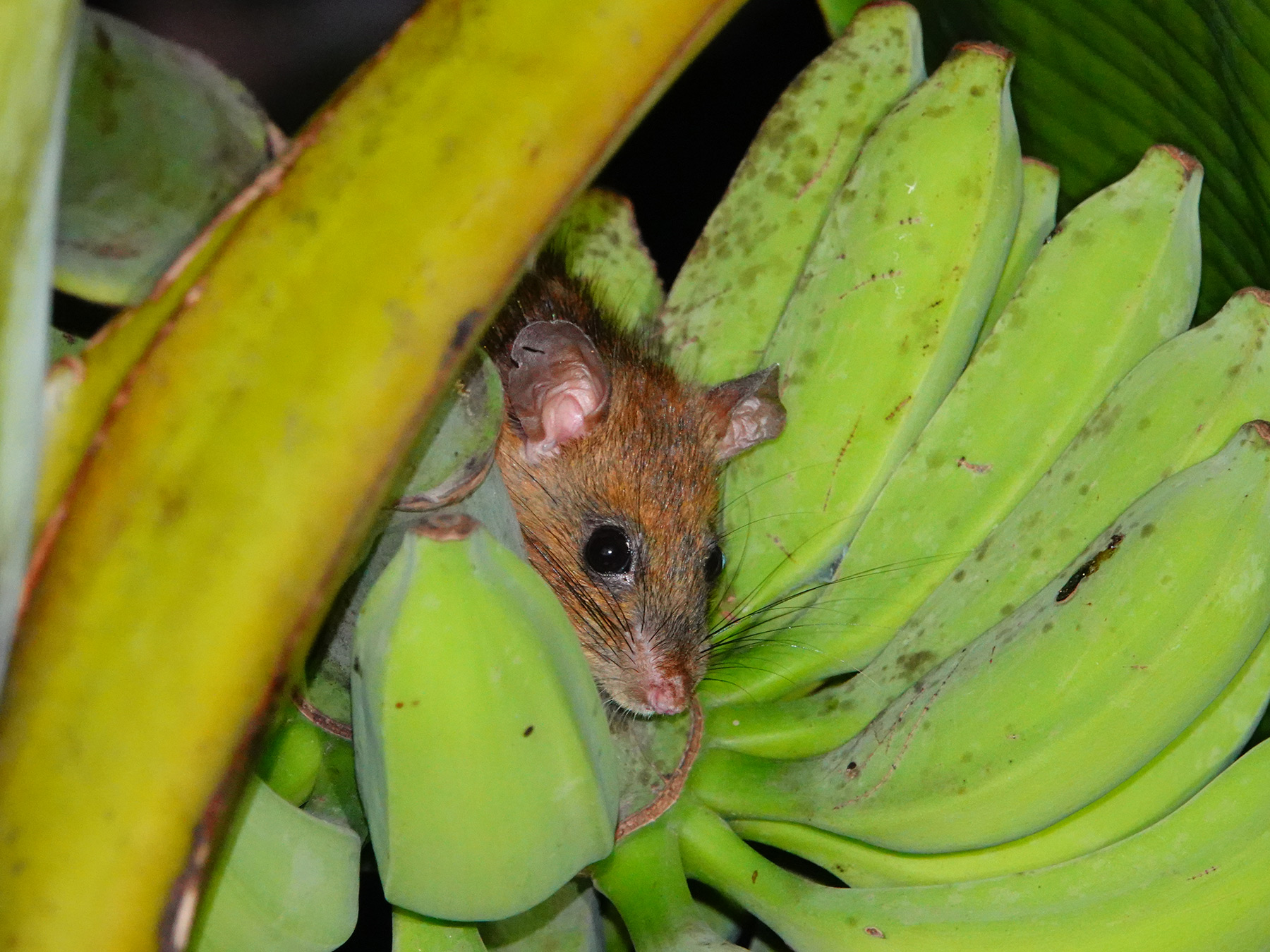
What is your first impression when thinking of small mammals? Perhaps a dirty rat skittering around urban sewage pipes or food stalls in back alleys? You may not be aware that, among the small mammals recorded in Hong Kong, most of them are found in natural habitats such as woodlands or shrublands, while only a small portion of them can be seen in urban areas.
Generally very shy and active during night time, small mammals in the wild are difficult to be seen. To understand their distributions, ecologists actively seek out their potential hiding places, such as burrows and under logs, or alternatively deduce from what they have left behind, including footprints, scats and feeding signs. Since primordial times, human beings have already hunted and avoided dangerous predators with the help of animal tracking techniques. Unexpectedly, such wildlife-tracking skills are still being used by ecologists nowadays to trace and reveal the whereabouts and activities of wildlife.
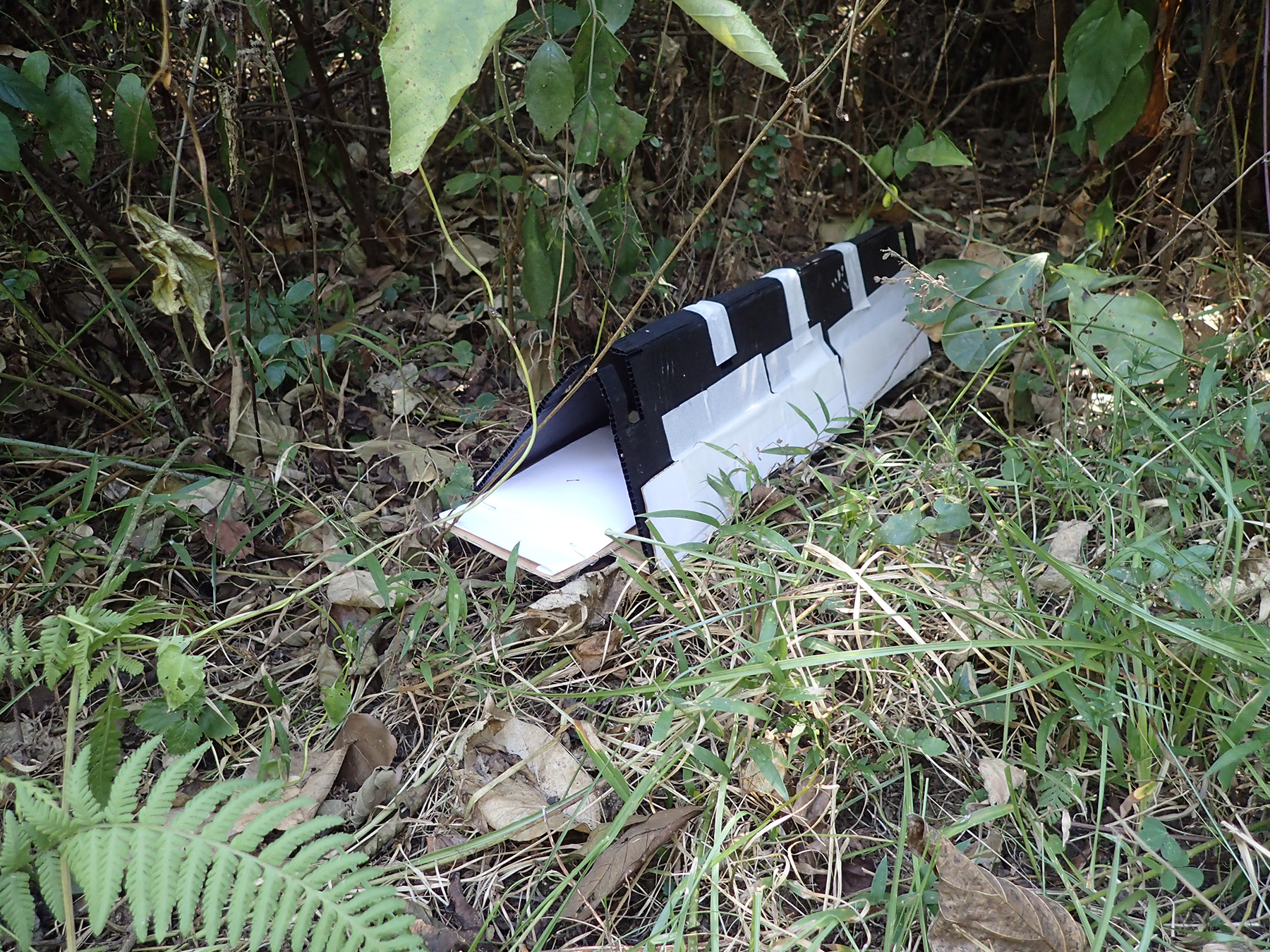
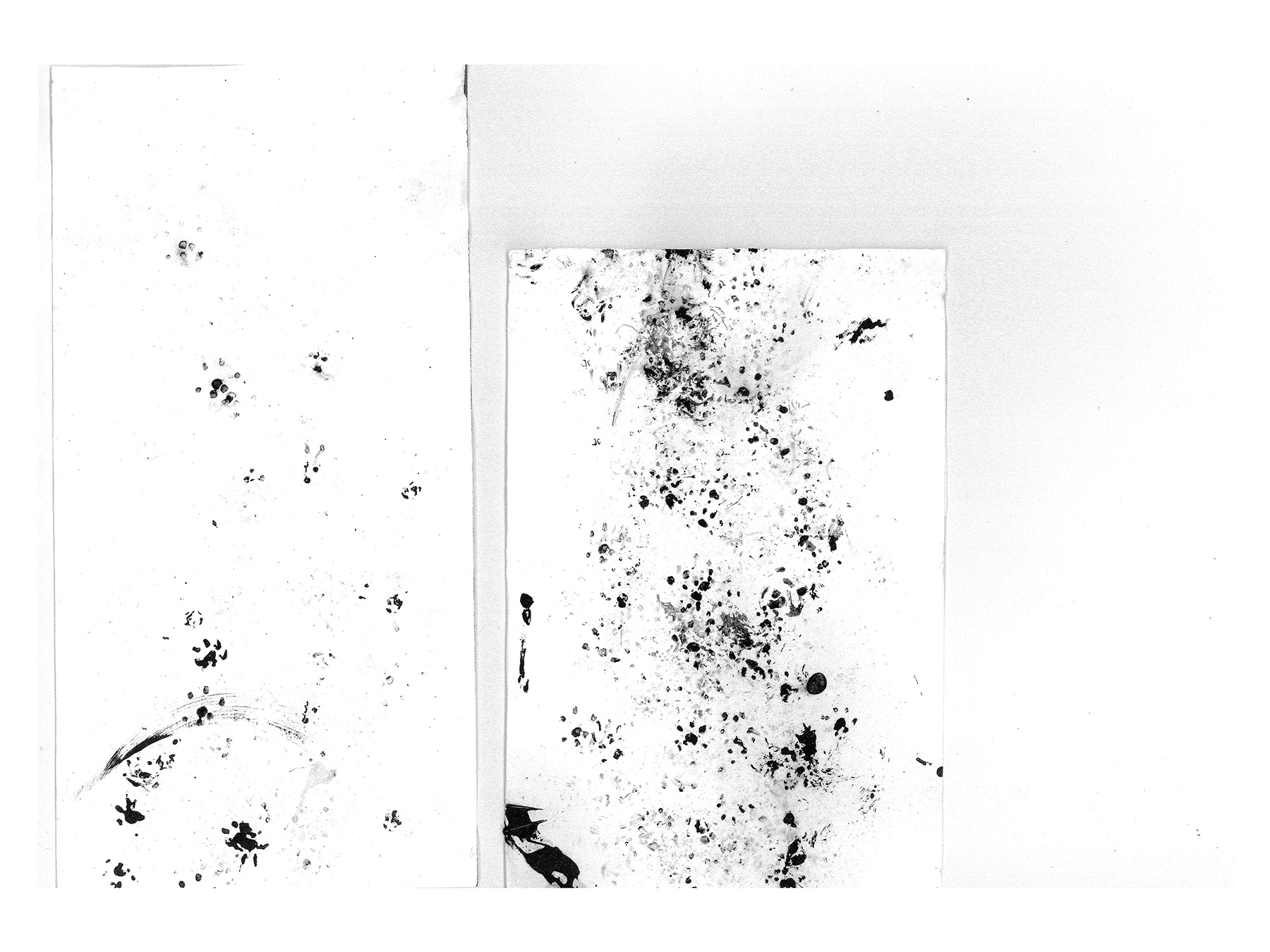
During our ecological study, we track small mammals by deploying footprint tunnels, as well as using other survey techniques. In the end, we recorded Musk Shrew (Suncus murinus), Chestnut Spiny Rat (Niviventer fulvescens) and Indochinese Forest Rat (Rattus andamanensis) in Pui O, Shui Hau and Tai O. Footprint tunnels have a simple design, baited with ink around. The animals feeding on the baits in the tunnels will leave behind a trail of footprints. Upon close examination of the paper taken from such footprint tunnels, you will see the faint shapes of the shrew's foot palms and toes.
Maybe you still have prejudice against these small mammals. The fact is that they are very important to the local ecosystem! They are good seed dispersers. Seeds of some common native hillside shrubs, such as Common Melastoma (Melastoma malabathricum) and Rose Myrtle (Rhodomyrtus tomentosa), are often found in the droppings of Chestnut Spiny Rat and Indochinese Forest Rat. In addition, they provide a significant food source for other animals, such as snakes and raptors, playing an essential role in an ecosystem's food web. So please do not get scared the next time you see a small mammal in the countryside, for they are our little partners in our effort to protect natural environment.