The Ancient Story Beneath Our Feet – The Geology of Lantau Island
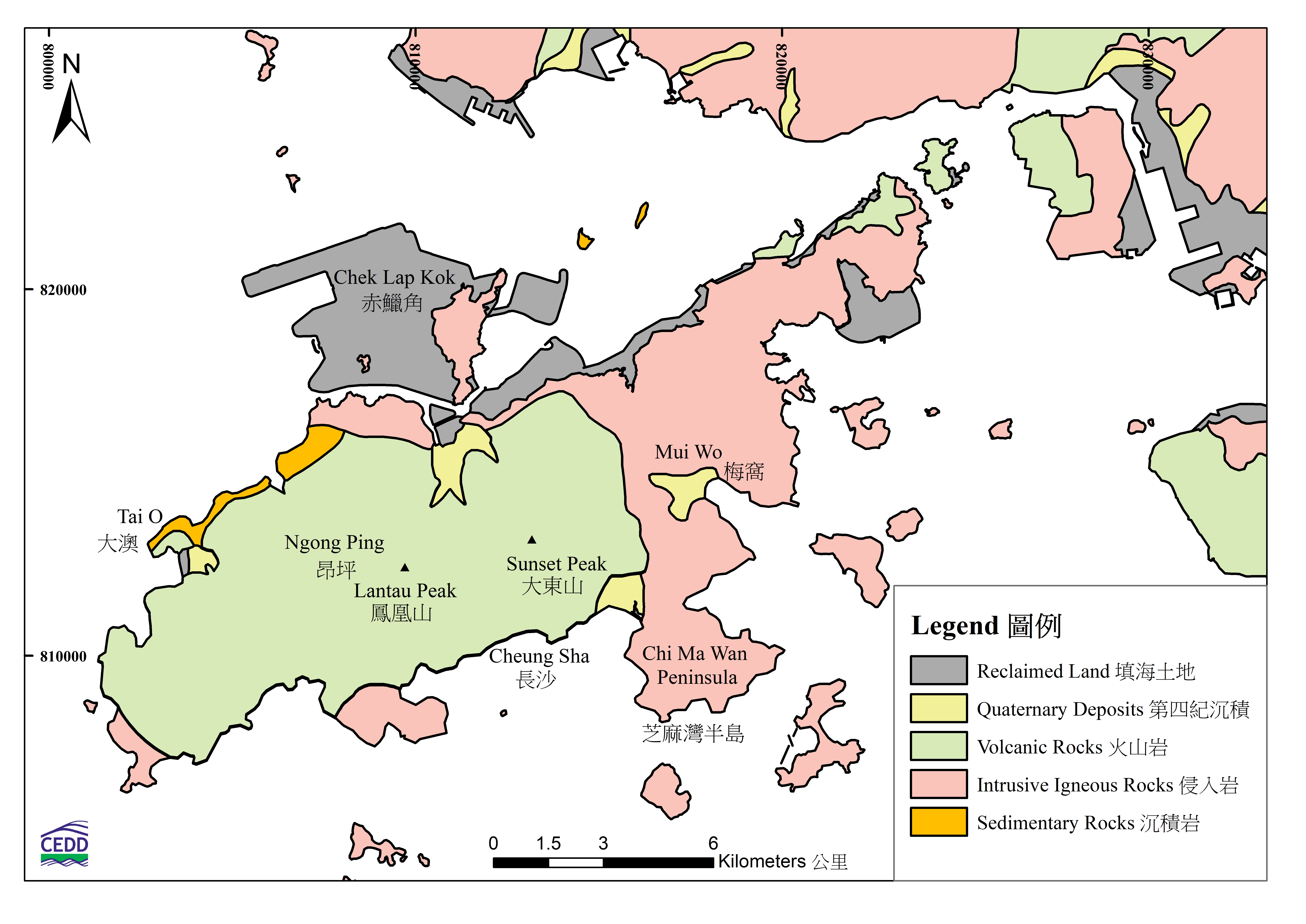

If you've ever hiked the trails of Lantau Island, you might have wondered: what secrets lie beneath these rolling hills and rocky outcrops? Lantau's rocks hold stories that go back hundreds of millions of years. Let's take a closer look at the fascinating geological history of Hong Kong's largest island.
Once a Volcano
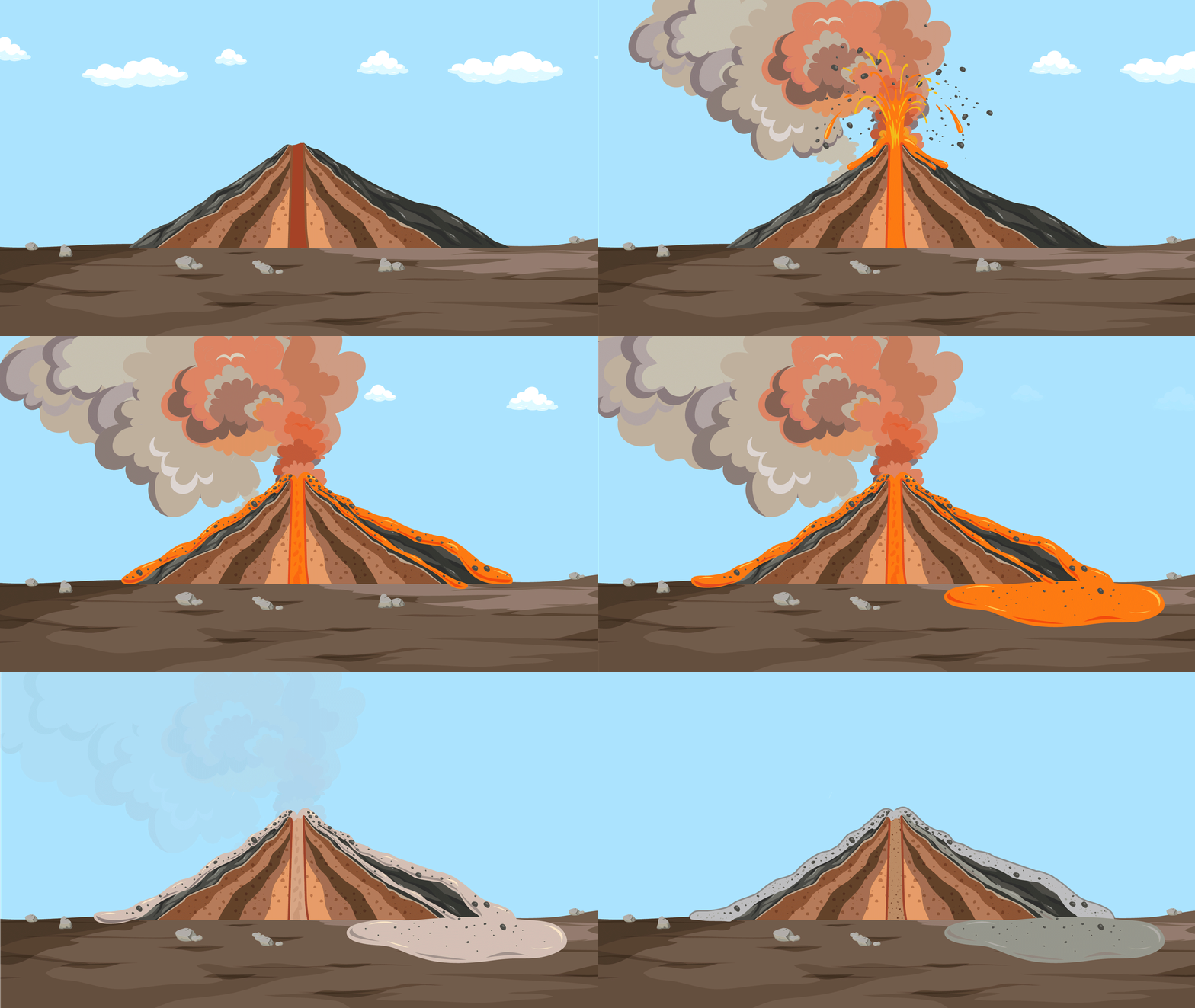
Lantau's landscape is shaped by dramatic forces – moving plate boundaries, ancient volcanoes and the slow but steady weathering effects of wind and water. Most of the solid ground under your feet here is made up of volcanic and plutonic rocks formed around 146 to 148 million years ago, the time when the Earth was dominated by dinosaurs. The central part of Lantau Island was once a massive volcanic caldera – a large depression formed from eruption and collapse of a volcano. Imagine fiery eruptions, flying ashes and rivers of lava, followed by long periods of calm, as layers of volcanic ash and lava settled, cooled down and hardened over time.
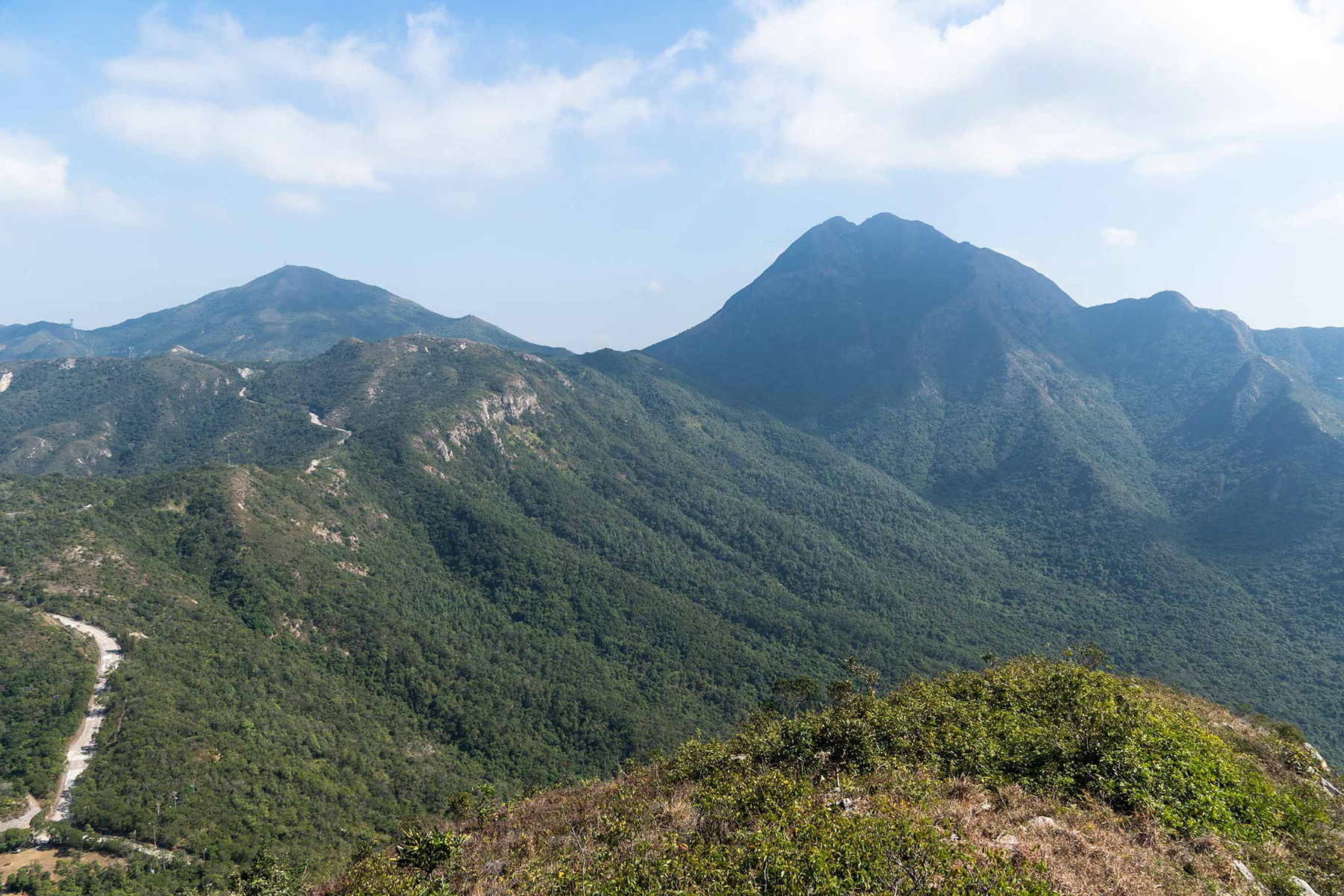
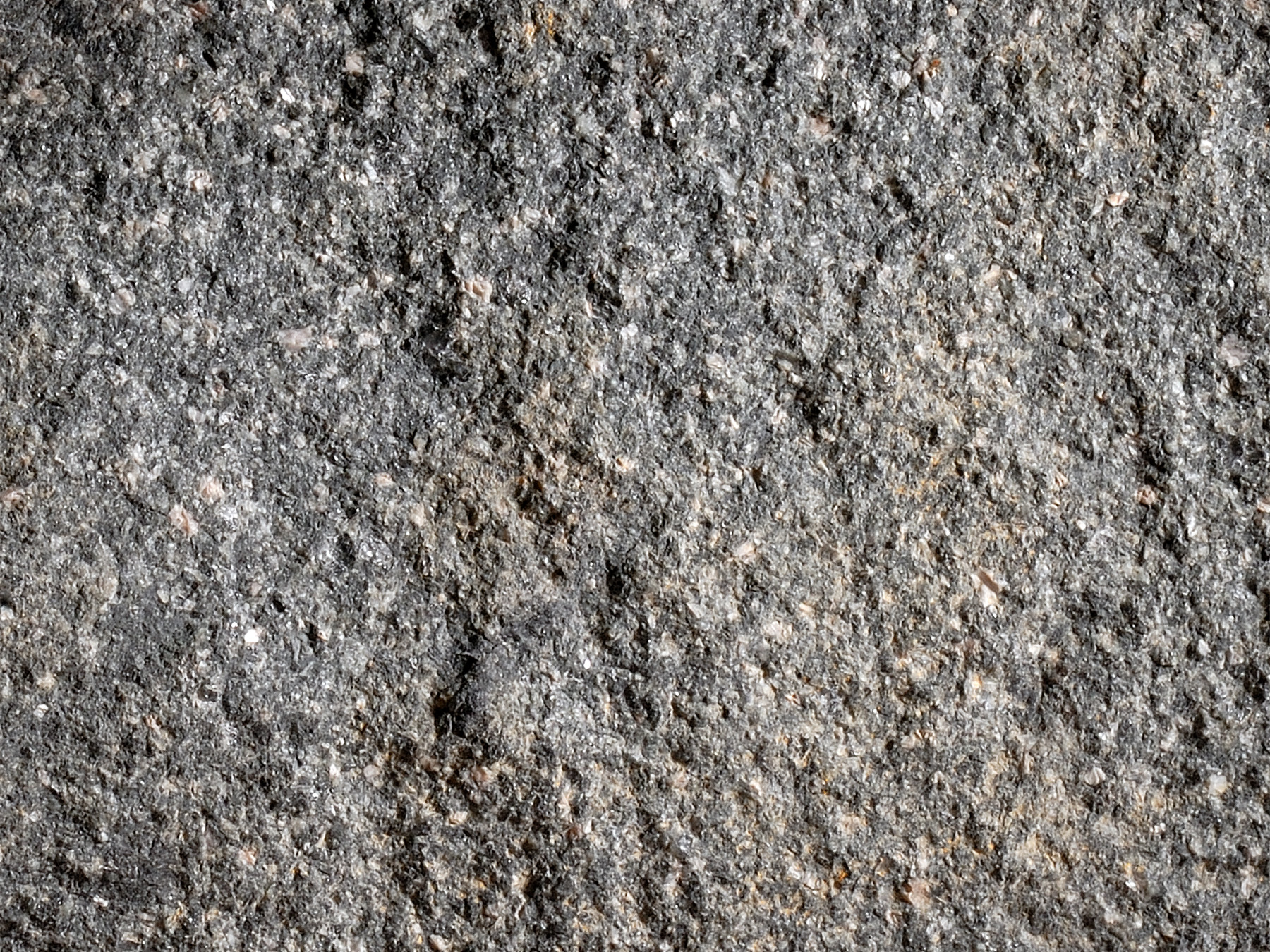
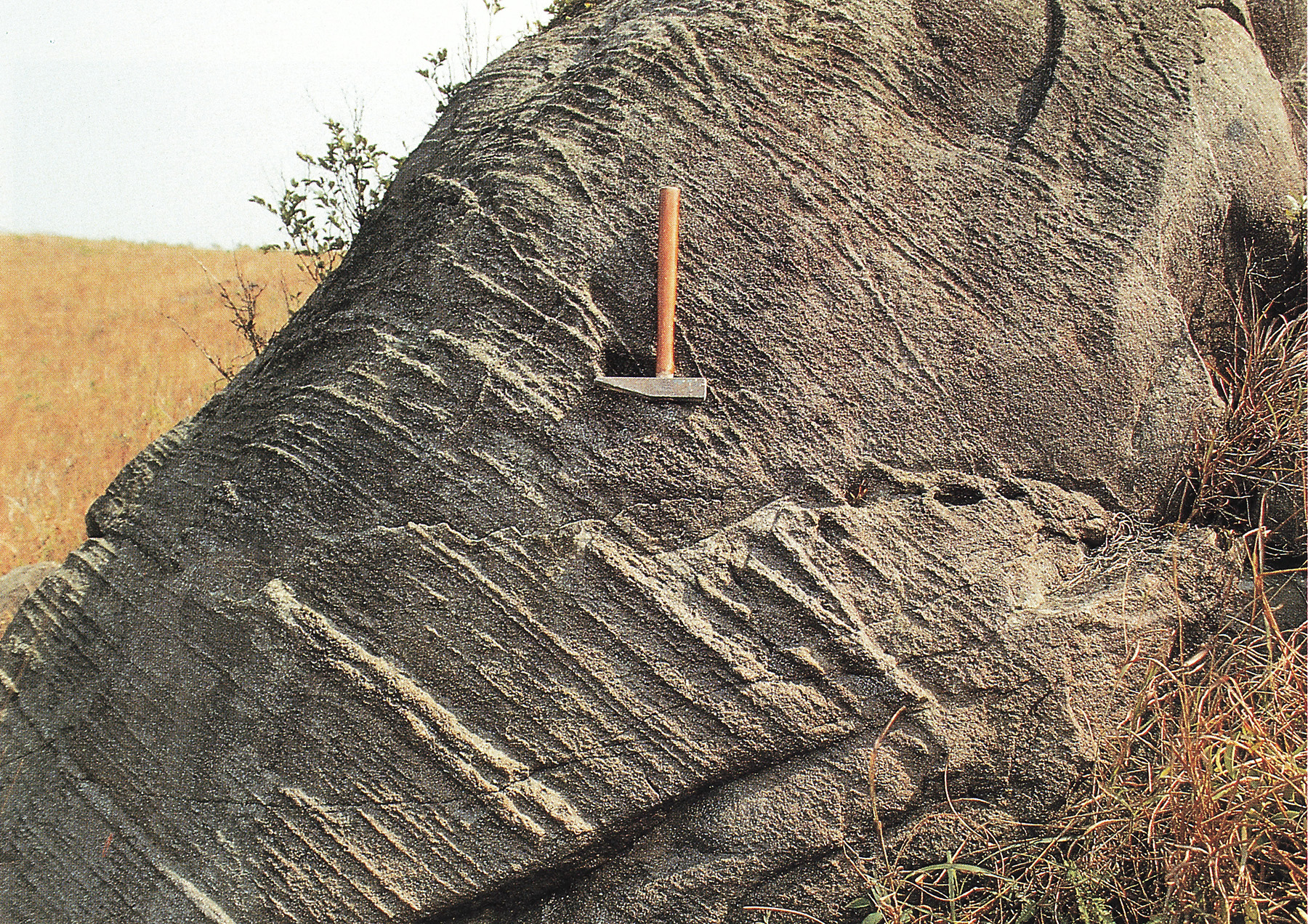
Today, the evidence of this fiery past is all around us. The volcanic rocks you see are mostly tuffs, which are formed from compacted volcanic ashes, with layers of sedimentary rocks mixed in, and solidified lavas. These rocks are not just scattered randomly; they actually shape the island's most prominent features. The high hills of Lantau, including the famous Lantau Peak and Sunset Peak, are built from these ancient volcanic materials. If you look closely at the rocks along hiking trails, you might even notice some banded patterns formed by the flowing lava.
Intrusive Igneous Rocks on Lantau
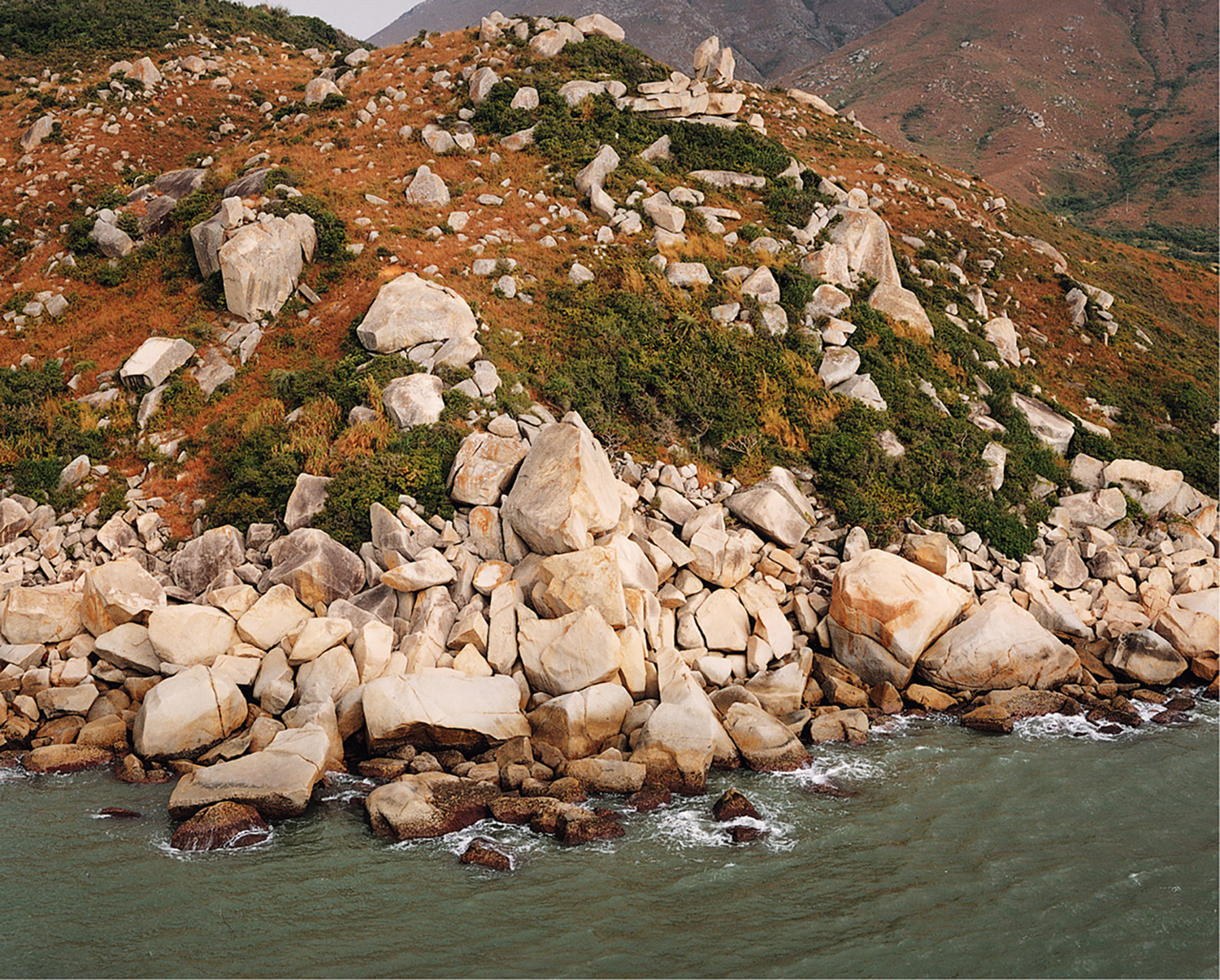
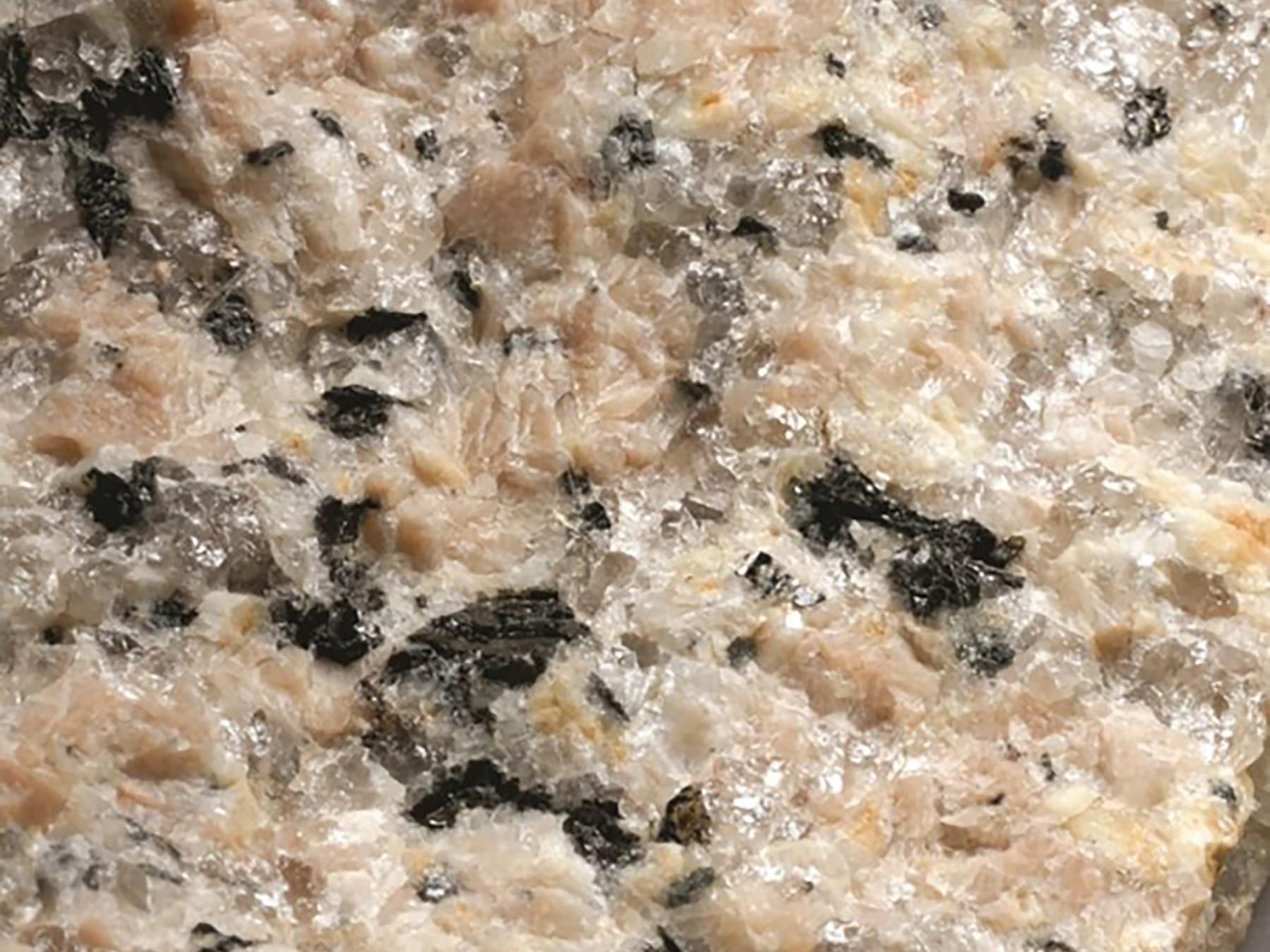
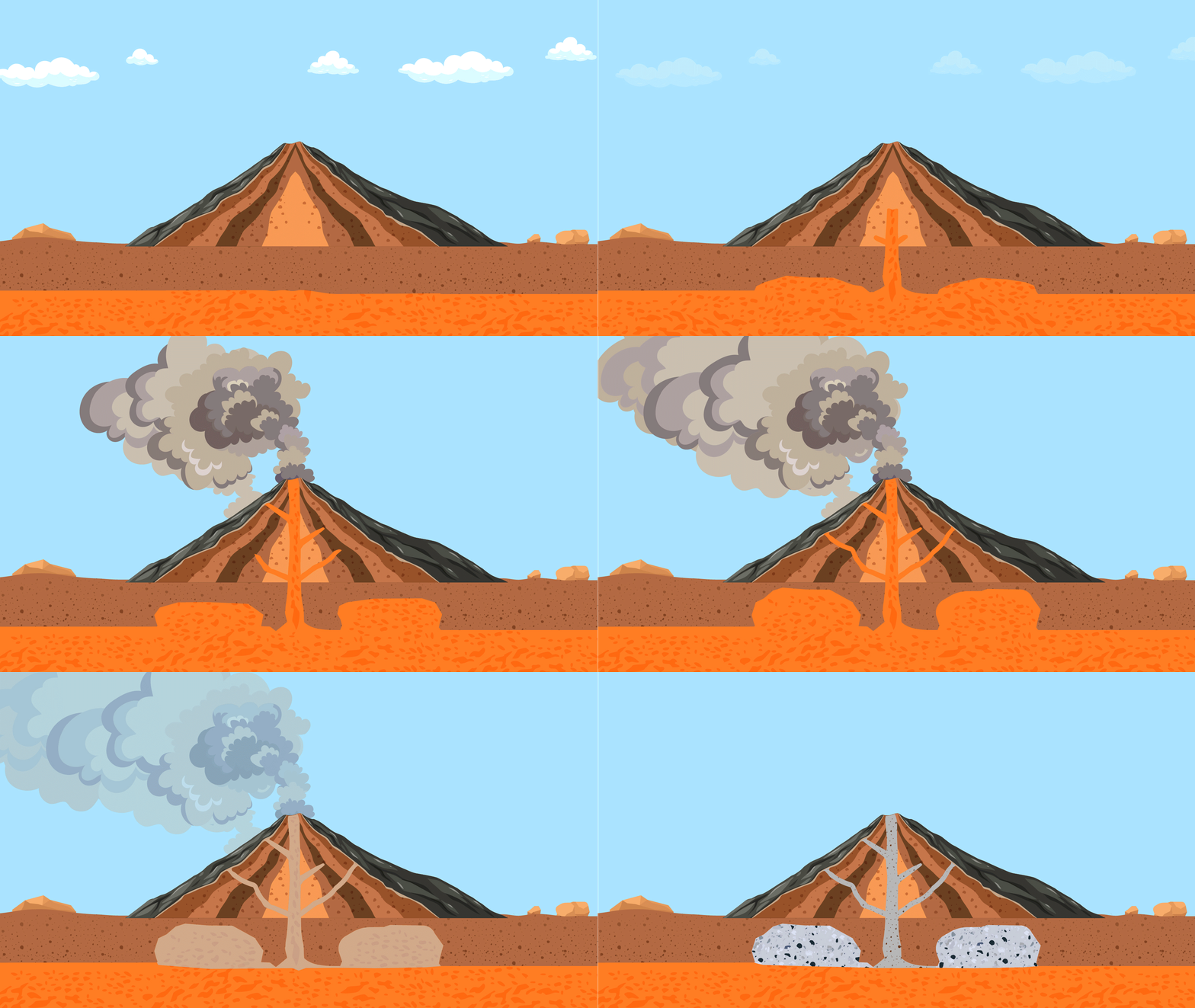
But volcanoes aren't the whole story. Apart from eruptions, molten rock called magma also pushed up from deep underground, cooling slowly to form granite and other intrusive igneous rocks. These granites are younger than the volcanic rocks and can be seen in places like the Chi Ma Wan Peninsula and near the margins of the ancient Lantau Caldera. If you see large, chunky boulders with sparkling crystals, you're probably looking at granite.
Sedimentary Rocks on Lantau
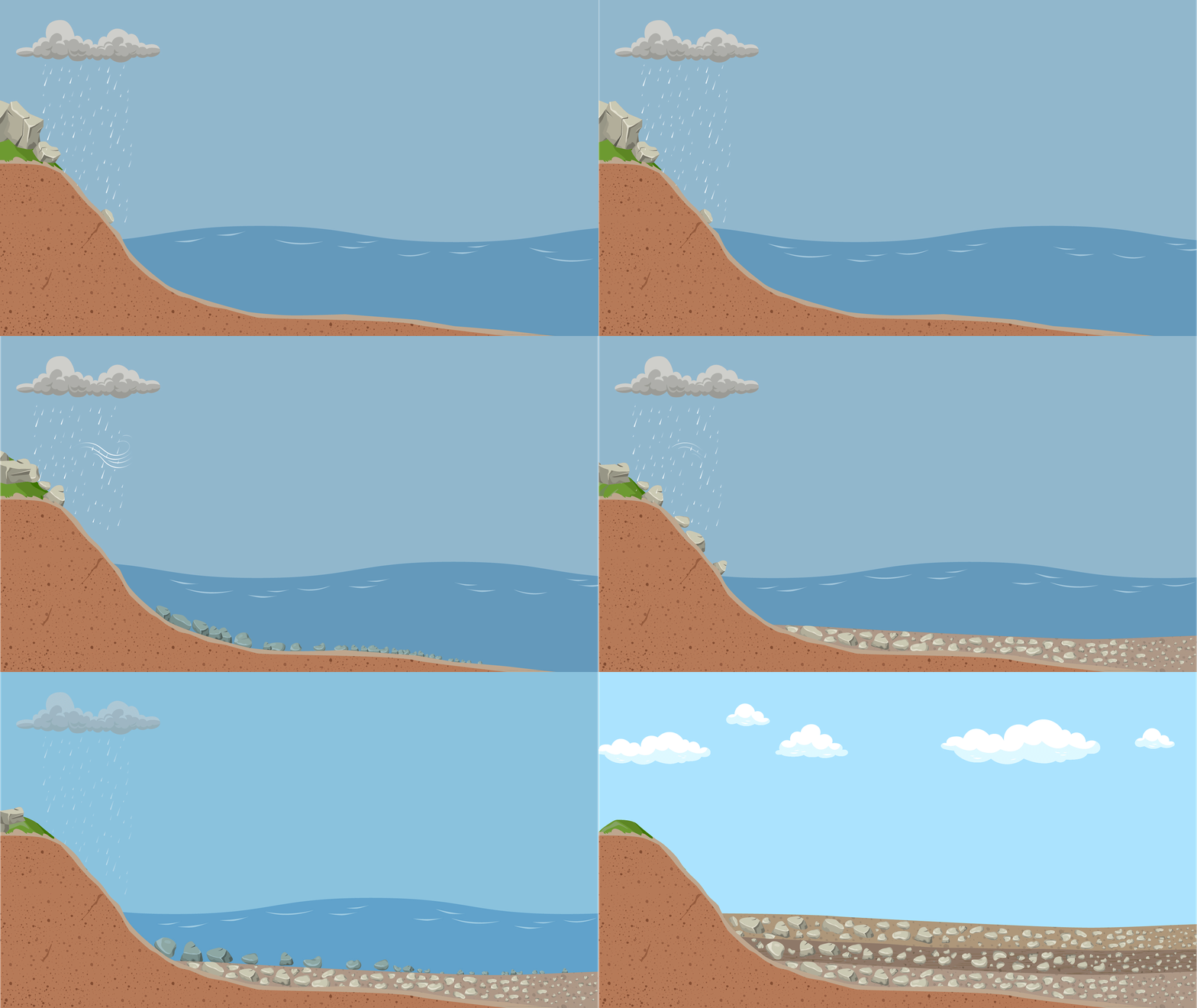
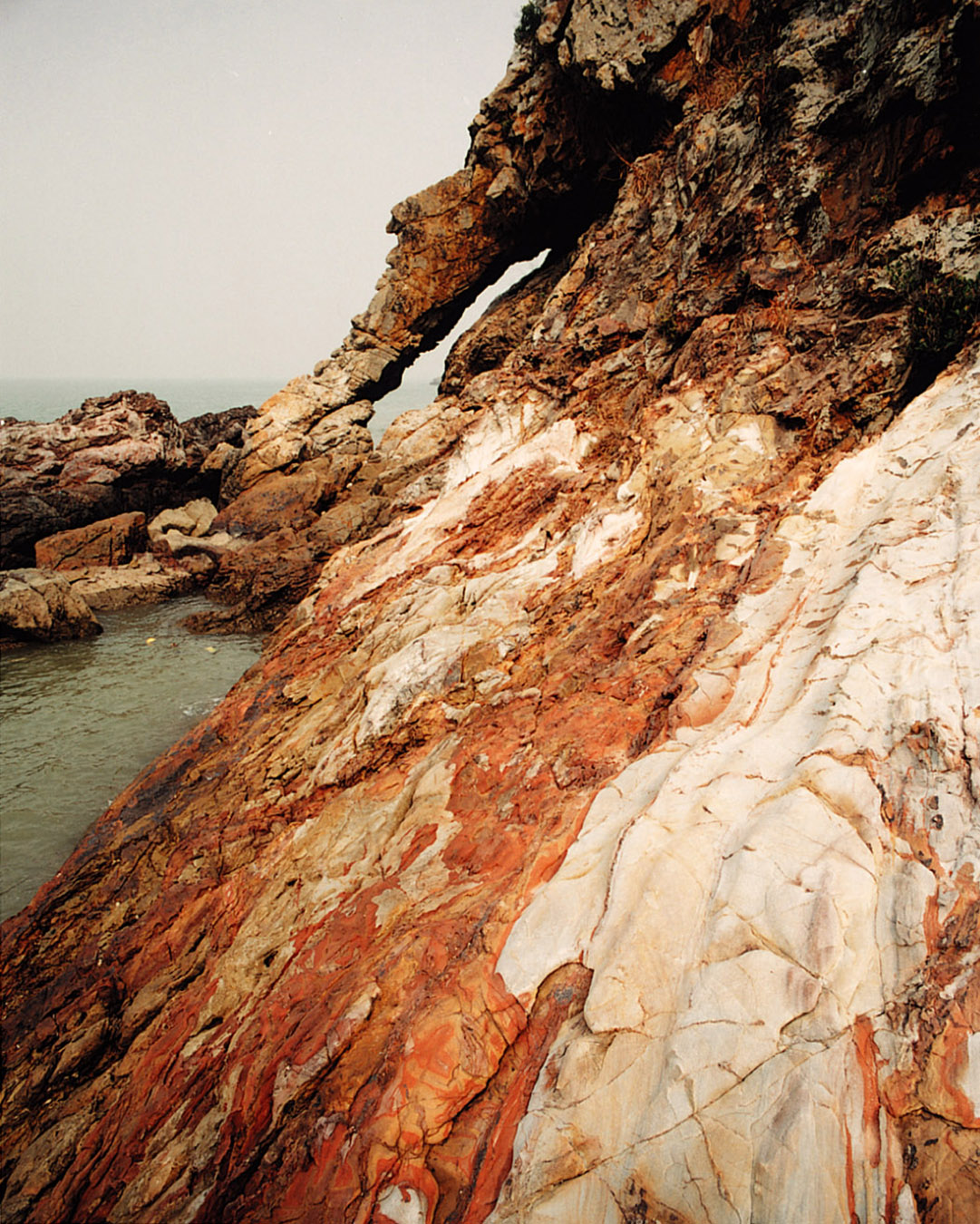
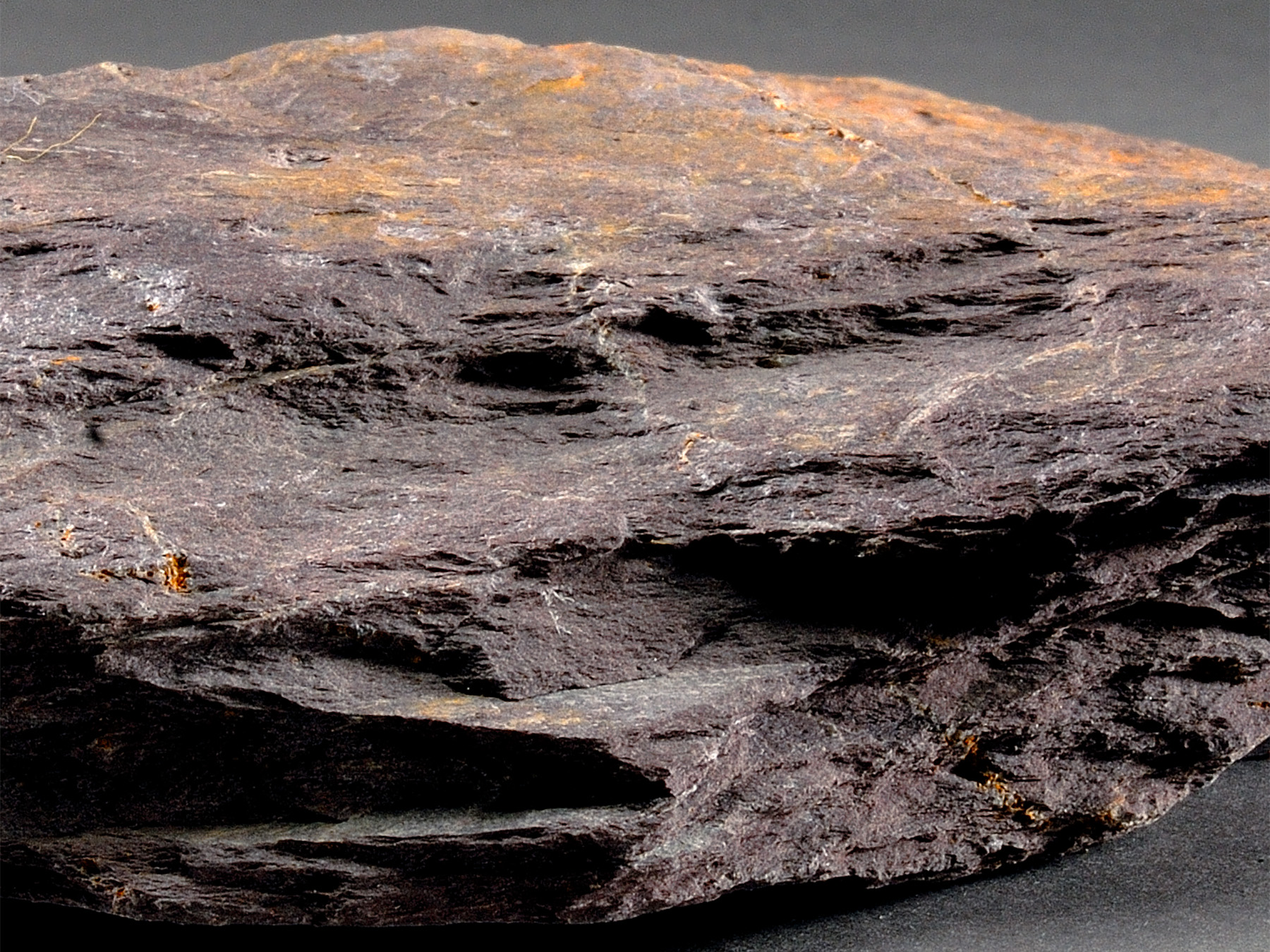
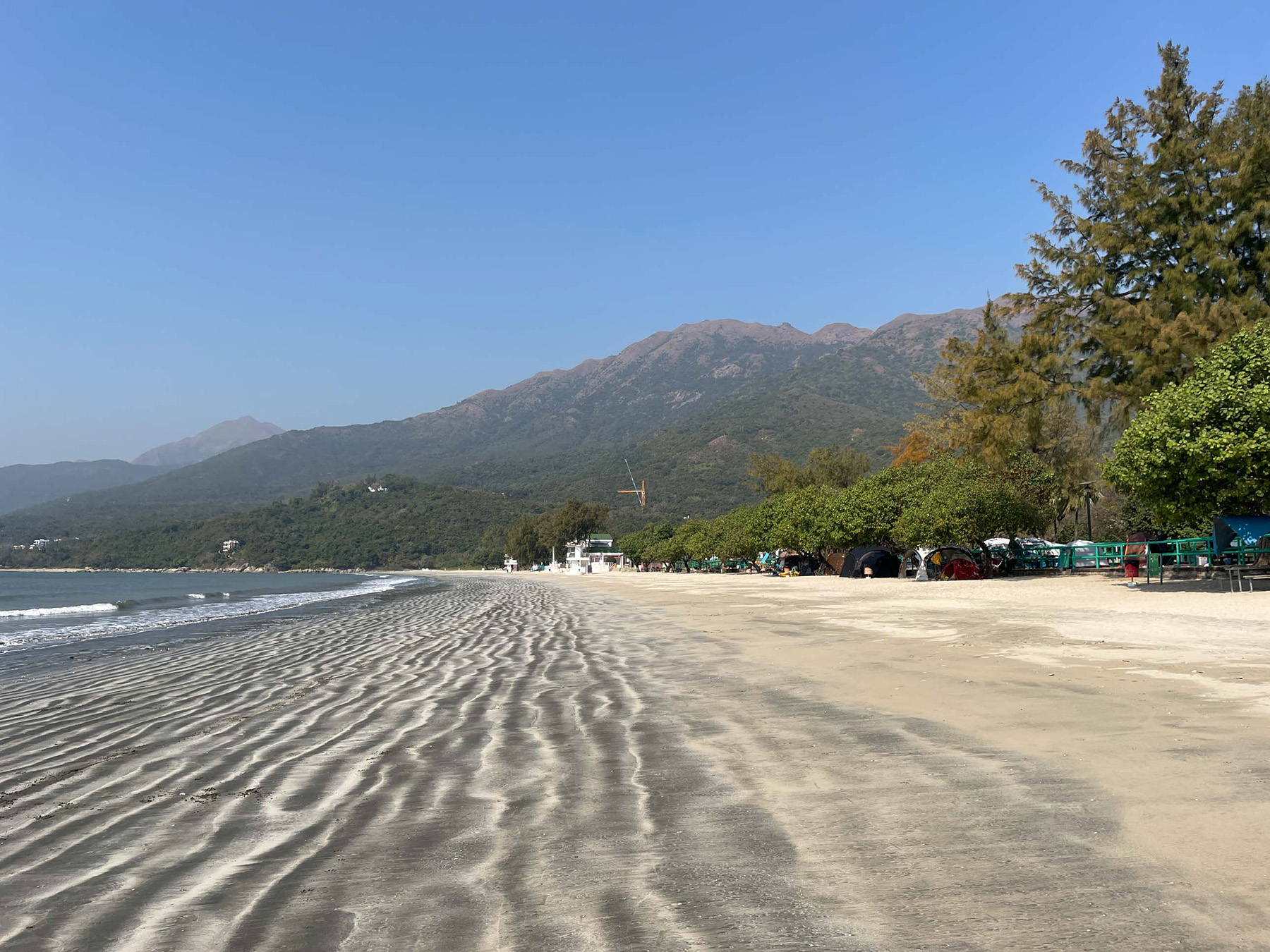
Not all of Lantau's rocks are tuff or granite. Underneath some areas near the coast of Tai O, you'll find bedded sedimentary rocks, which are older than the volcanic rocks. These sedimentary rocks are formed from tiny pieces of broken rocks and other goodies that piled up, got squished, and cemented together over time! These rocks are especially common in the northwest of Lantau. On top of everything, the youngest deposits formed the soils of valleys, beaches and offshore areas. These are the result of rivers, ancient landslides and the slow build-up of shells and sand, just like the sandy beaches in Pui O.
Evolving Landscape
Today, Lantau's landscape is still changing. Strong ocean currents shape the coastline, and weathering breaks down rocks into soils. Human activities, like building and land reclamation at Chek Lap Kok and Tung Chung, also leave their marks.
So next time when you're exploring Lantau's peaks or beaches, remember: every stone and cliff is a chapter in a story that began long before humans arrived. Lantau's geology and landforms is a living reminder of the powerful forces that shape our world.
Geology not only shapes the physical landscapes that we see today, but also lays the foundations for the variety of natural habitats and biodiversity that they support, the human settlements and activities that fit into the landforms. Let's reveal the interesting stories of Lantau's geology and landforms in this geo-log series.
[Acknowledgement to the Geological Survey Section of the Geotechnical Engineering Office for providing the geological and geomorphological content of Geo-logs.]