Sonneratia Removal
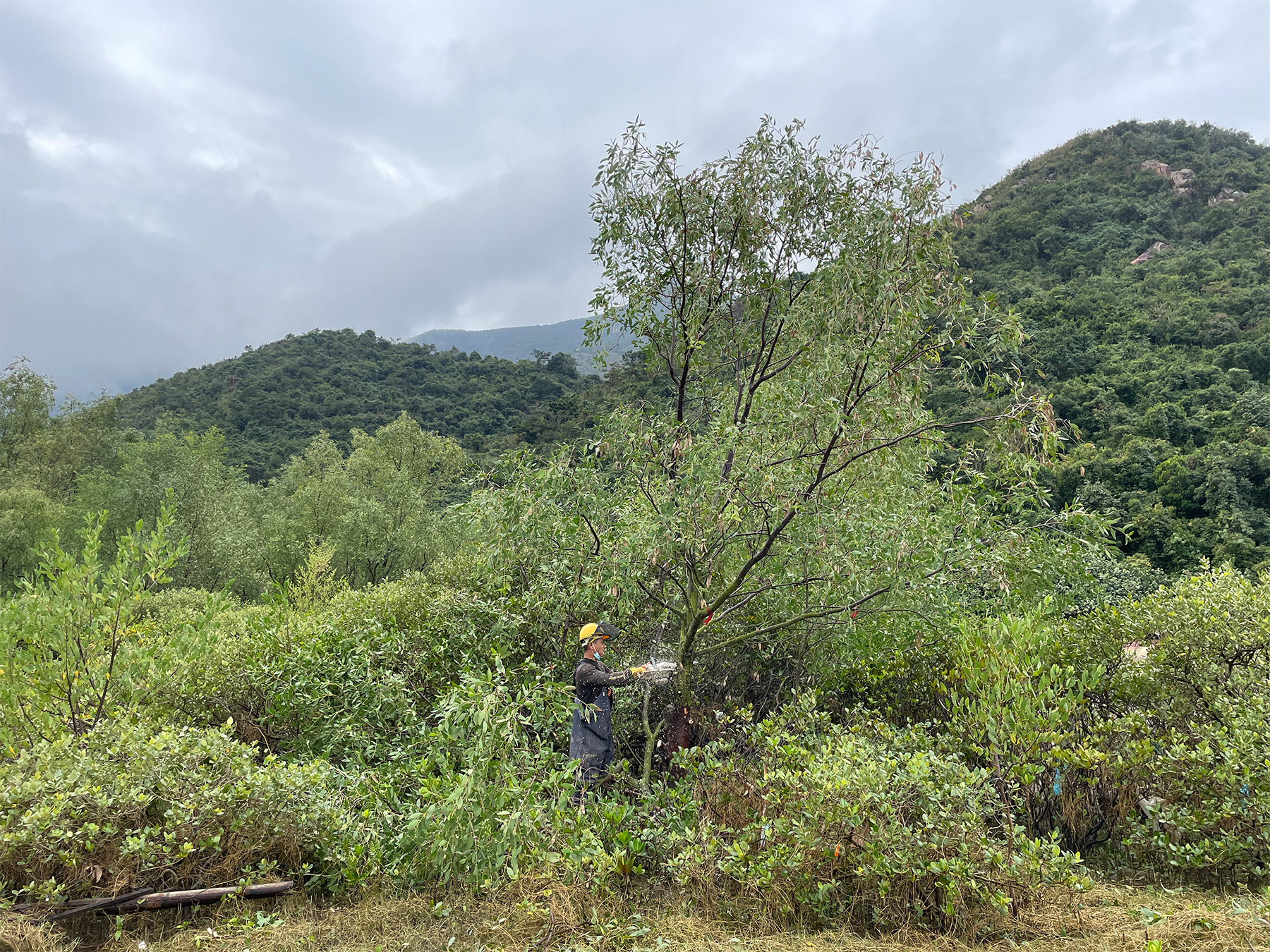
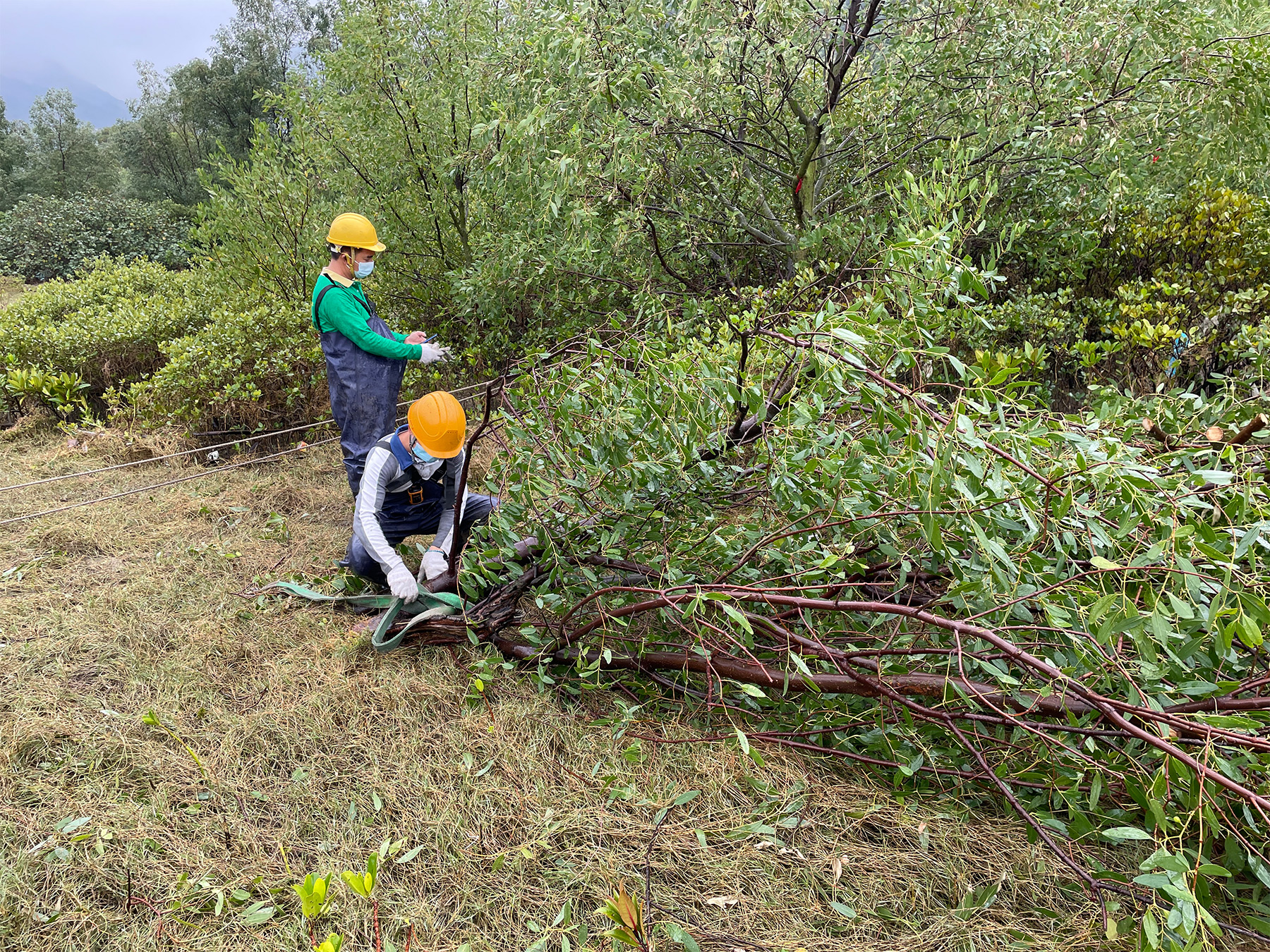
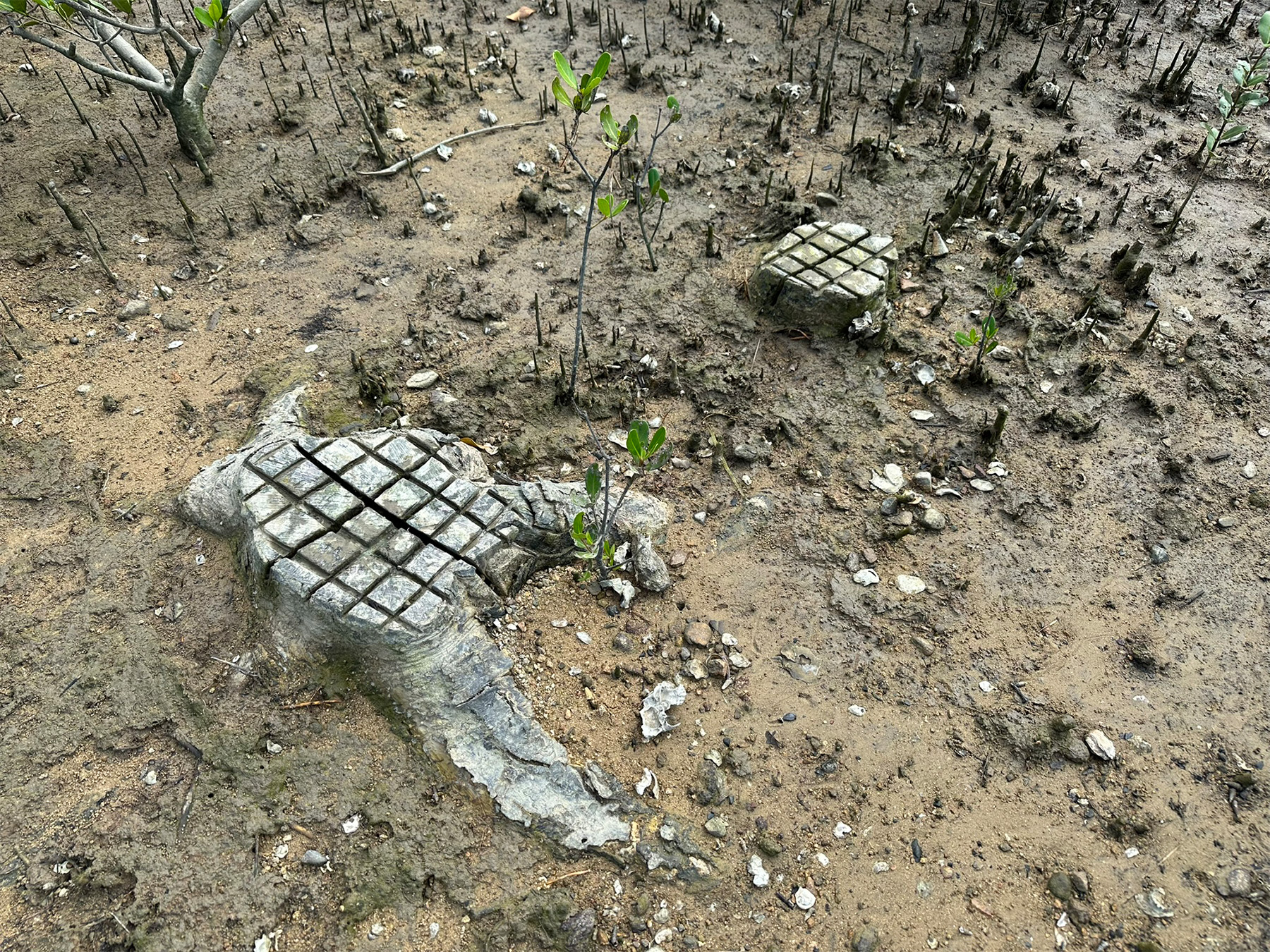
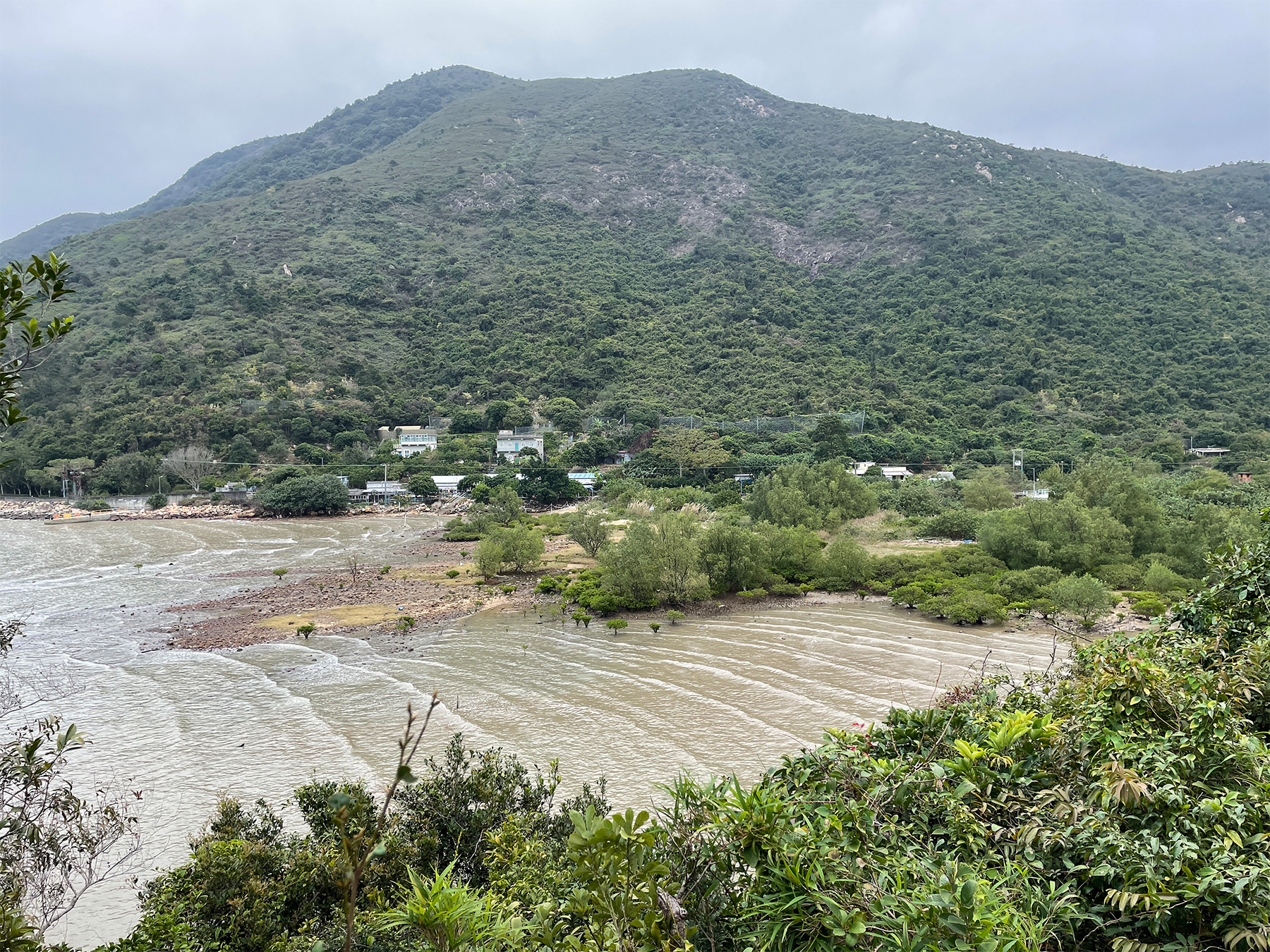
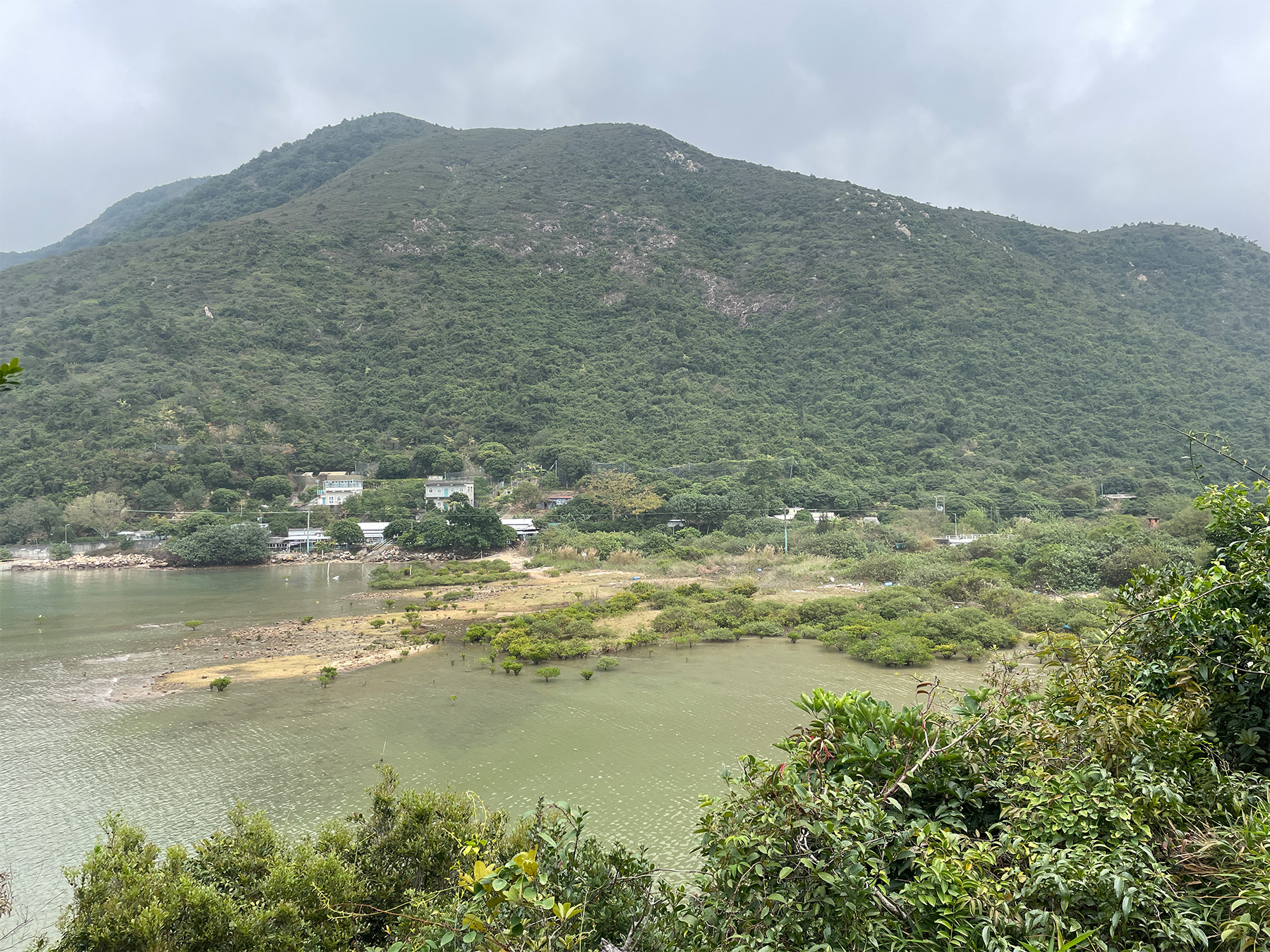
The mangroves and mudflats in Hong Kong are threatened by an invasive alien mangrove species called Sonneratia. Sonneratia grow fast and grow taller than native mangroves. Apart from blocking sunlight and thus affecting growth of native mangroves, Sonneratia also occupy space on mudflats, narrowing the foraging range of wading birds and the habitat available for mudflat organisms. In 2005, there were no more than 10 individuals of Sonneratia taller than 1.5 m recorded in Lantau. However, the numbers grew to around 200 by 2022. It is, therefore, considered necessary to conduct Sonneratia removal works on Lantau.
In response to the advocacy of enhancing the management and control of invasive alien species by the Biodiversity Strategy and Action Plan (BSAP) 2016–2021, we conducted Sonneratia removal works on Lantau in phases between 2022 and 2023, which were supported by the Minor Local Improvement Works of the Lantau Conservation Fund (LCF). We removed a total of over 300 individuals of Sonneratia from Tung Chung, Shui Hau, Pui O, Tai O, Yi O and Sham Wat, with a view to protecting local mangrove and mudflat ecosystems and preventing further encroachment of Sonneratia. For details, please visit the LCF dedicated webpage.
Acacia Replacement
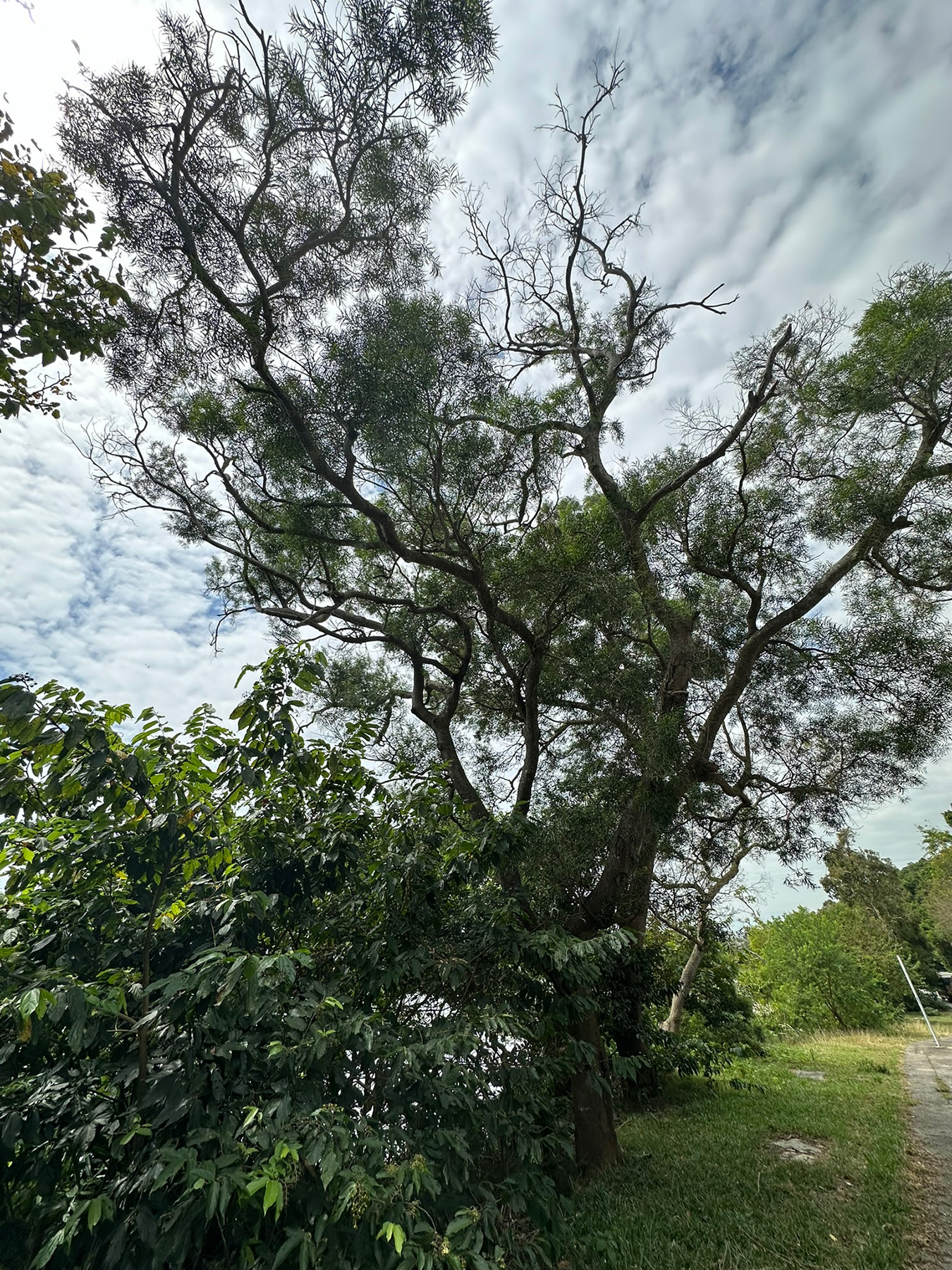
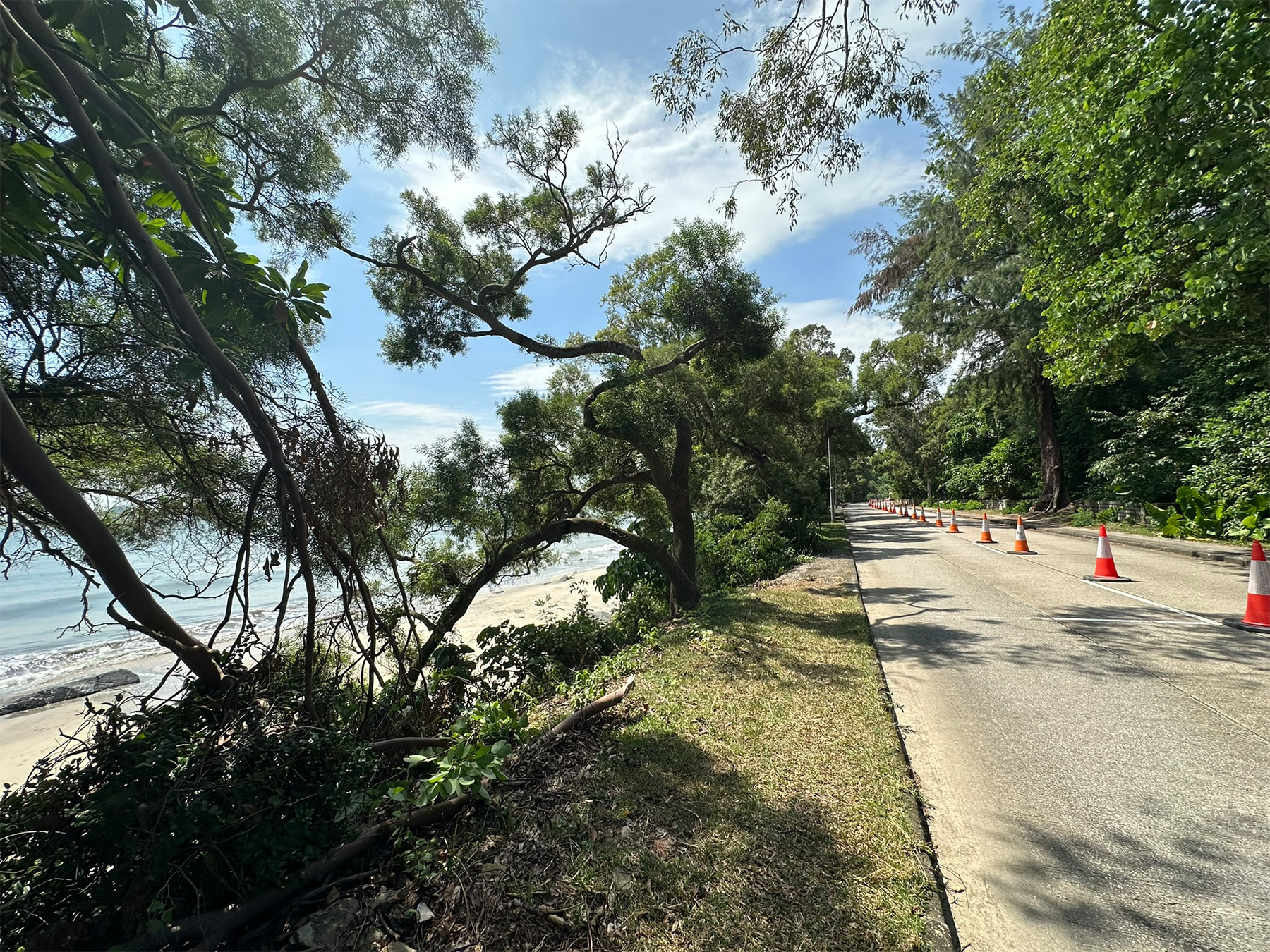
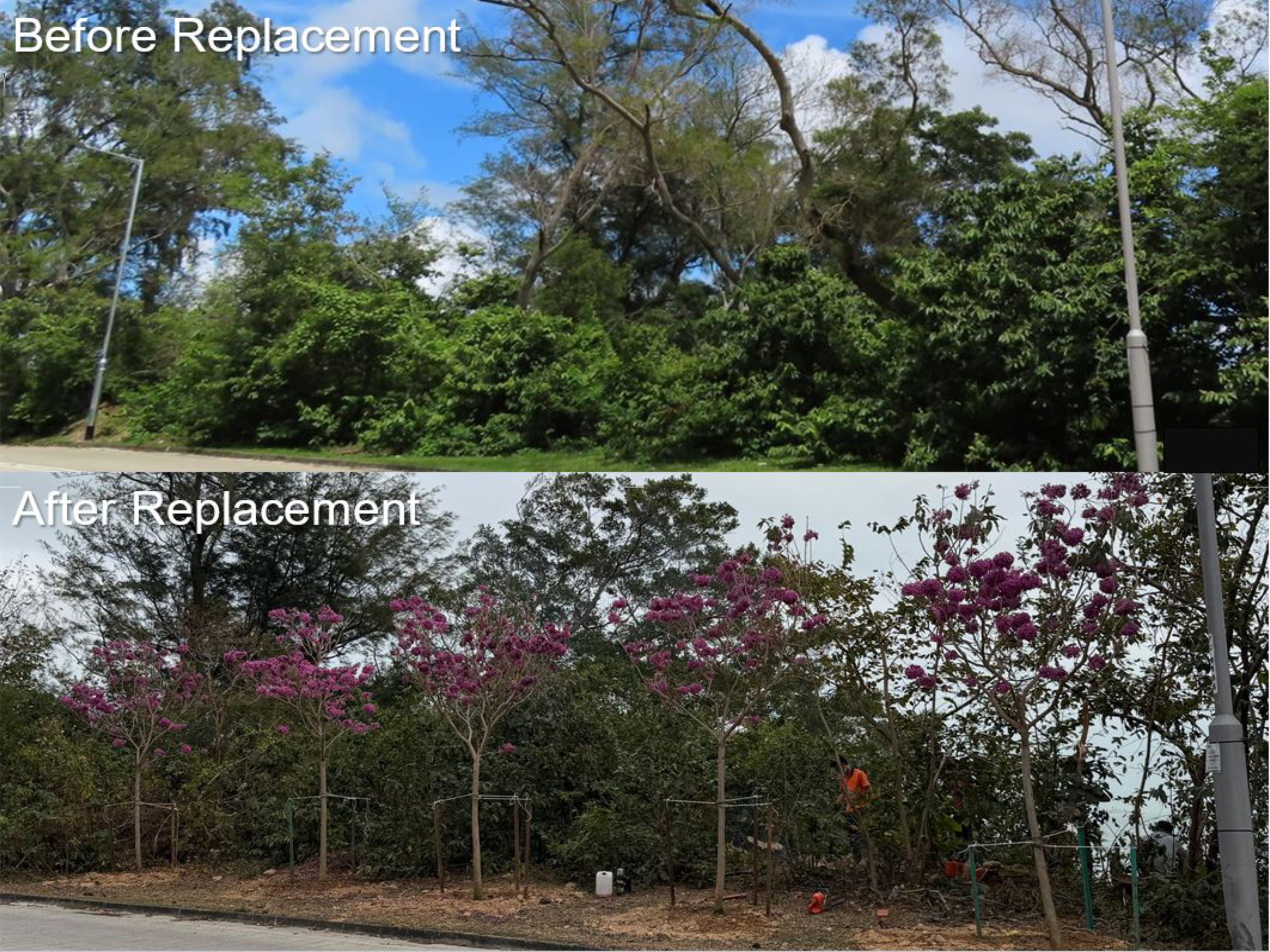
During the 1950s-60s in Hong Kong, a large quantity of the fast-growing and adaptable exotic tree species, Acacia (Acacia confusa), were planted in countryside areas and slopes and roadside of urban areas, to improve the countryside landscape, prevent soil erosion and stabilise slope. However, exotic trees cannot provide local wildlife the most suitable habitat and food source, restricting biodiversity. Moreover, the planted Acacia from the early days have begun ageing and developed health and structural problems, increasing the risk of tree failure.
We, therefore, partner with ArchSD, LCSD and HyD to replace the Acacia along South Lantau Road with native or ornamental plants in phases, thereby enhancing biodiversity and public safety, and improving the roadside landscape. By mix-planting and maintenance of native trees and shrubs, the layered vegetation will provide diverse microhabitats and resources in the form of fruits and nectar, attracting more wildlife like insects and birds, and enhance landscape.. More information about the "Enhancement Programme of Vegetated Slopes" can be found on HyD website.
Installation of Animal Escape Facilities
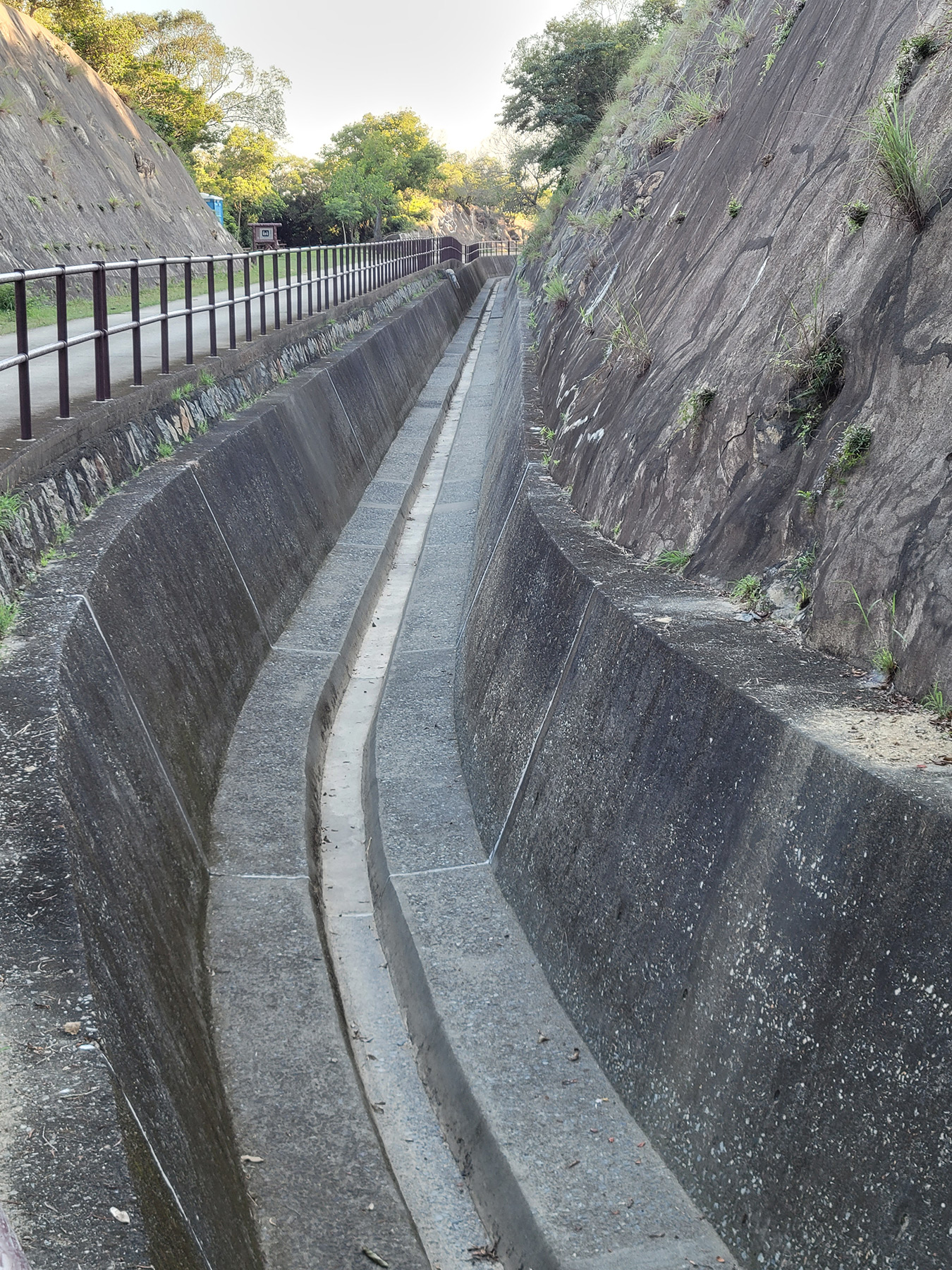
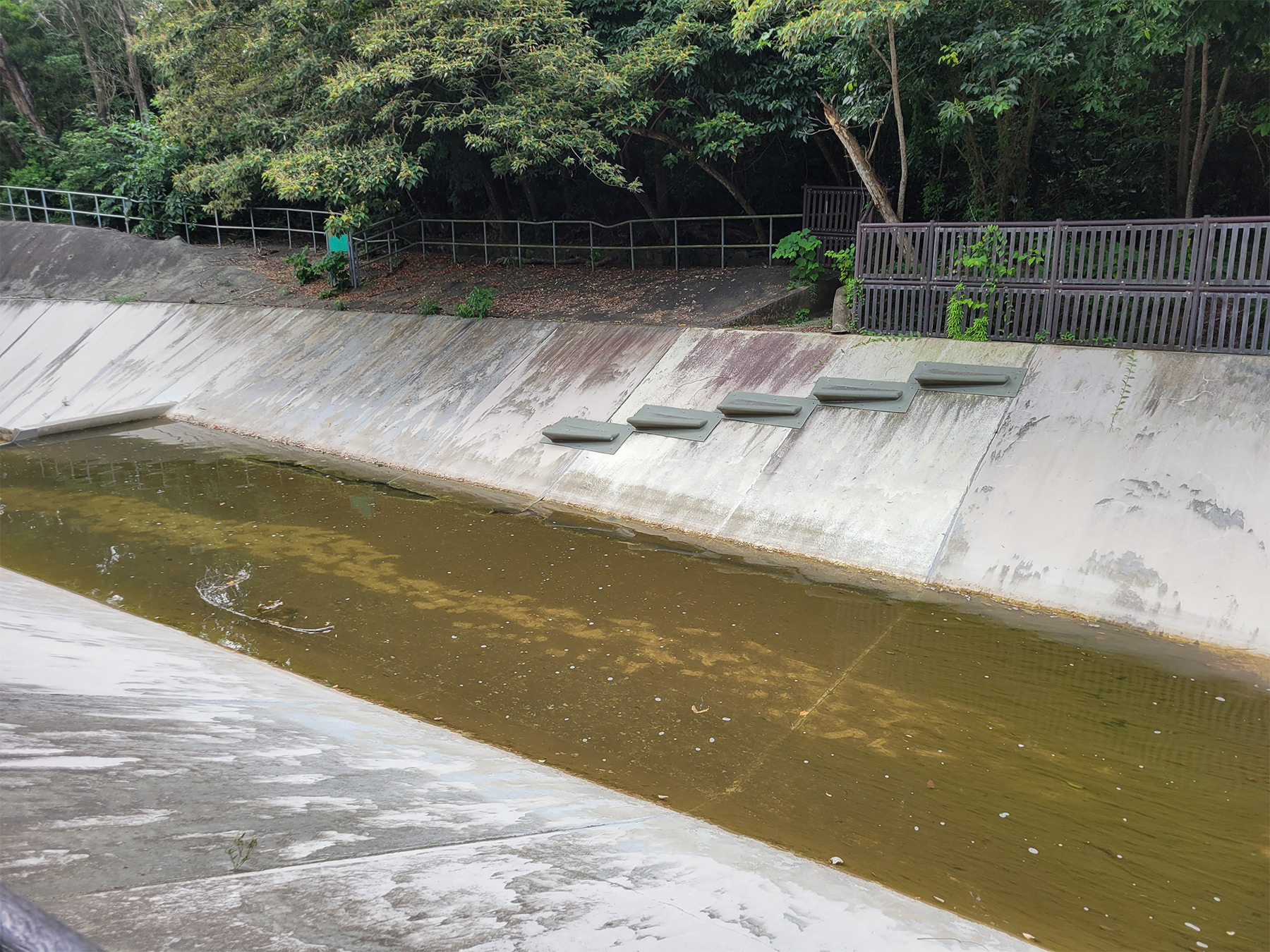
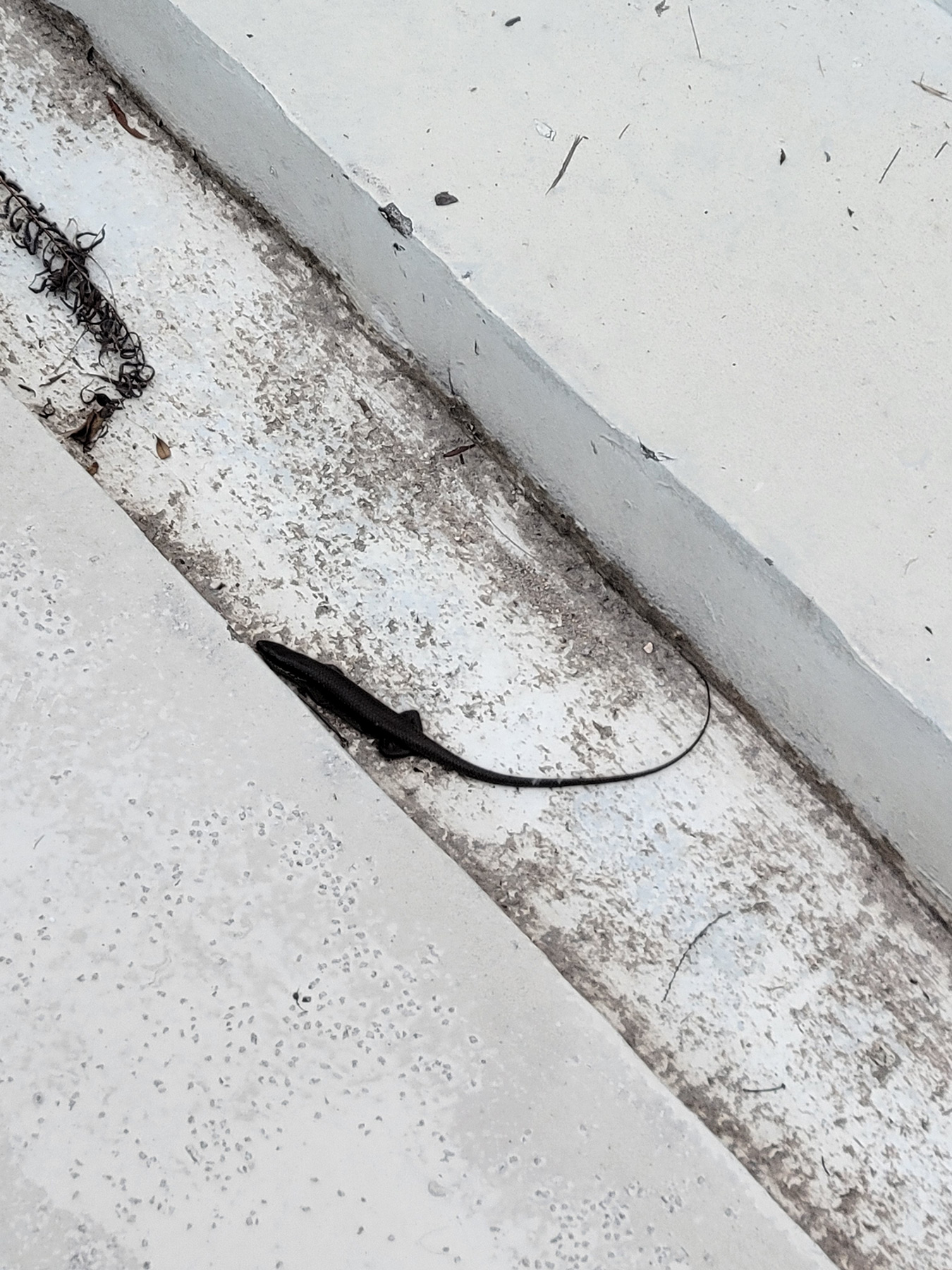
Many catchwaters in Hong Kong intersect with natural habitats. Animals may enter catchwaters looking for a drink of water, try to traverse or accidentally fall into the channels. As catchwaters are generally deep with steep and slippery walls, animals fallen into catchwaters may get hurt and are easily trapped. There is, therefore, a need to improve the catchwater design to be more wildlife-friendly.
To this end, we first conducted a study to understand the situation of animals trapped in Shek Pik Catchwater and recommend effective and applicable wildlife-friendly improvement works. We then collaborated with the Water Supplies Department which installed animal escape facilities at suitable locations along Shek Pik Catchwater to facilitate small and medium mammals, amphibians and reptiles to escape from the catchwater and return to their natural habitats. Post-installation monitoring is in progress. For details, please visit the LCF dedicated webpage.